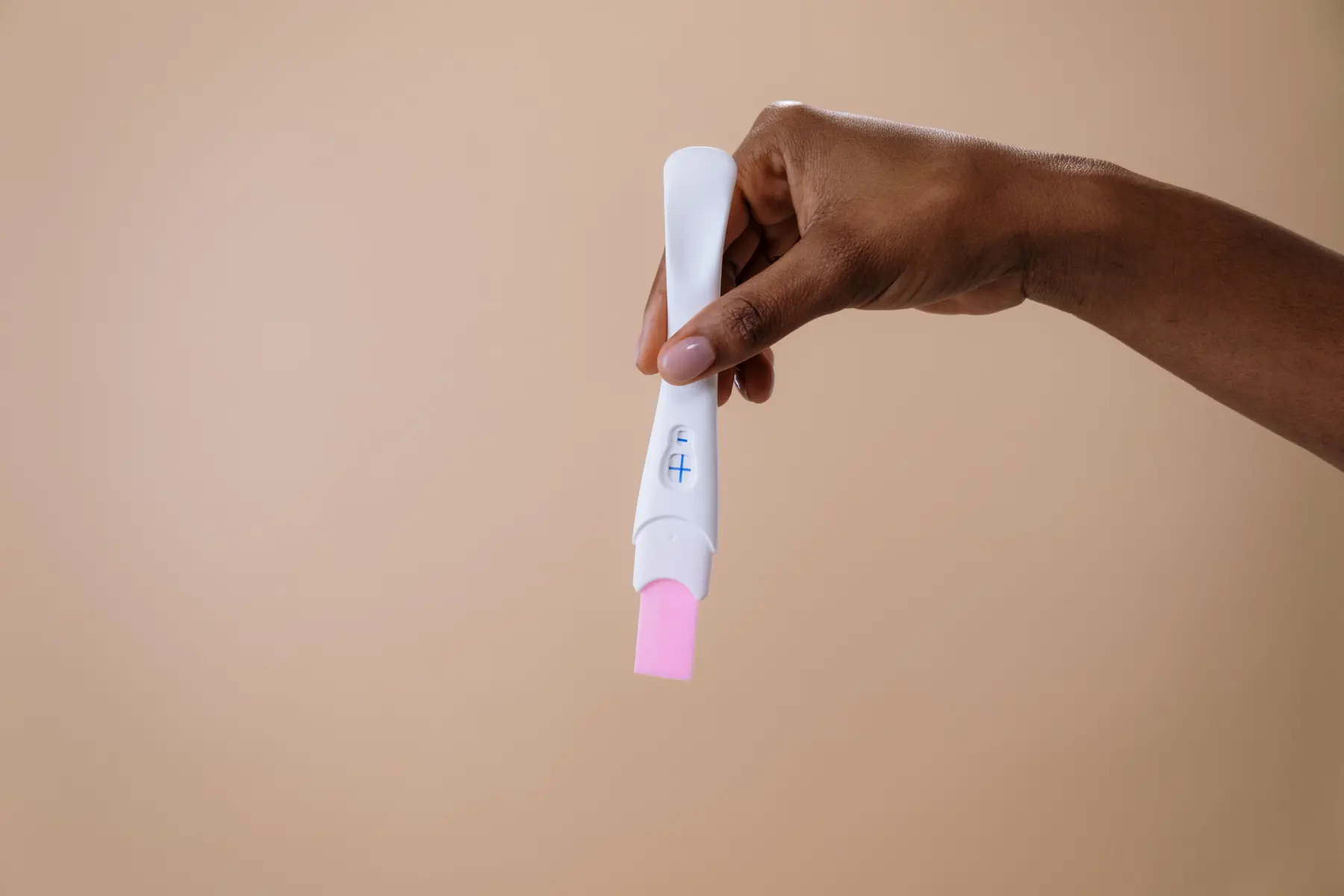
What fertility evaluation involves
Fertility evaluation is a structured assessment of factors that may affect conception. It generally considers ovulation, the uterus and fallopian tubes, semen parameters, age, health conditions, medicines, timing and frequency of intercourse, and how long the couple has been trying.
Not every person needs every test at the first visit. Testing is selected according to history, age, menstrual pattern, previous pregnancies, examination and the likely clinical question.
For the woman
Cycle history, ovulation pattern, ultrasound findings, ovarian reserve testing when relevant, and assessment of the uterus or tubes when indicated.
For the male partner
Semen analysis is often an early, important part of evaluation. Additional assessment is advised only when findings or history require it.
Fertility and preconception services
- Preconception counselling and health optimisation
- Initial fertility consultation for individuals or couples
- Review and planning of fertility investigations
- Ovulation induction when appropriate
- Follicular monitoring with cycle-based guidance
- Timed-intercourse guidance
- Assessment of PCOS-related ovulation concerns
- Review of uterine factors such as selected fibroids or polyps
Preconception care: before you begin trying
A preconception consultation can review medical conditions, current medicines, menstrual health, vaccination history, previous pregnancy experiences, family history and lifestyle factors. It may include advice about folic acid, nutrition, weight, thyroid or diabetes control, genetic or infection-related testing when indicated, and the safest timing of pregnancy.
The goal is not to promise an uncomplicated pregnancy. It is to identify modifiable risks and make a medically sound plan before conception.
Ovulation induction and follicular monitoring
Ovulation induction uses medicines to support the development or release of an egg in carefully selected cycles. Follicular monitoring uses ultrasound, sometimes with hormone testing, to observe follicle growth, endometrial development and the likely timing of ovulation.
Monitoring and dose decisions should be individualised. Medicines can have risks, including multiple follicle development and multiple pregnancy; they should not be taken without clinical supervision.
What tests are commonly advised when a couple is unable to conceive?
Common first-line assessment may include semen analysis, confirmation of ovulation, pelvic ultrasound and evaluation of the uterine cavity or tubal patency when indicated. Hormone tests are selected according to cycle pattern, age and history. The correct order matters: broad testing without a clinical question can add cost and confusion without improving care.
PCOS and fertility
PCOS can affect ovulation, but it does not mean pregnancy is impossible. Care may involve metabolic assessment, sustainable lifestyle measures, cycle planning and ovulation induction where appropriate. Treatment depends on age, cycle pattern, duration of trying, semen factors, tubal status and personal goals.
Seek urgent medical assessment for severe one-sided pelvic pain, fainting, shoulder-tip pain, heavy bleeding, severe abdominal swelling or breathlessness, especially after a positive pregnancy test or fertility medication. These symptoms should not wait for an online reply.
Questions patients often ask
Do I need to wait a full year before seeking advice?
Not always. Earlier consultation is appropriate when the woman is 35 or older, cycles are very irregular, there is known pelvic disease or previous surgery, recurrent pregnancy loss, a known male-factor concern or significant anxiety about a specific history.
Can an endometrial polyp affect fertility?
Some polyps may affect implantation or contribute to bleeding, but the significance depends on size, location, symptoms and the broader fertility picture. Management is individualised; not every small suspected polyp automatically needs removal.
Written and medically reviewed by Dr. Ishita Dwivedi (Chaturvedi)
MBBS, MS (Obstetrics & Gynaecology) · Last reviewed 8 September 2026
Clinical reference: ASRM Committee Opinion: Fertility evaluation of infertile women.